How to source matcha from Vietnam: the questions to ask before requesting a quote
Start with application and measurable performance, not grade names alone.
Define the use case
State whether the product is for straight drinking, café latte, RTD, bakery, ice cream, chocolate, premix or retail powder. Each use case changes the acceptable balance of color, bitterness, umami, aroma, solubility and price.
Build measurable criteria
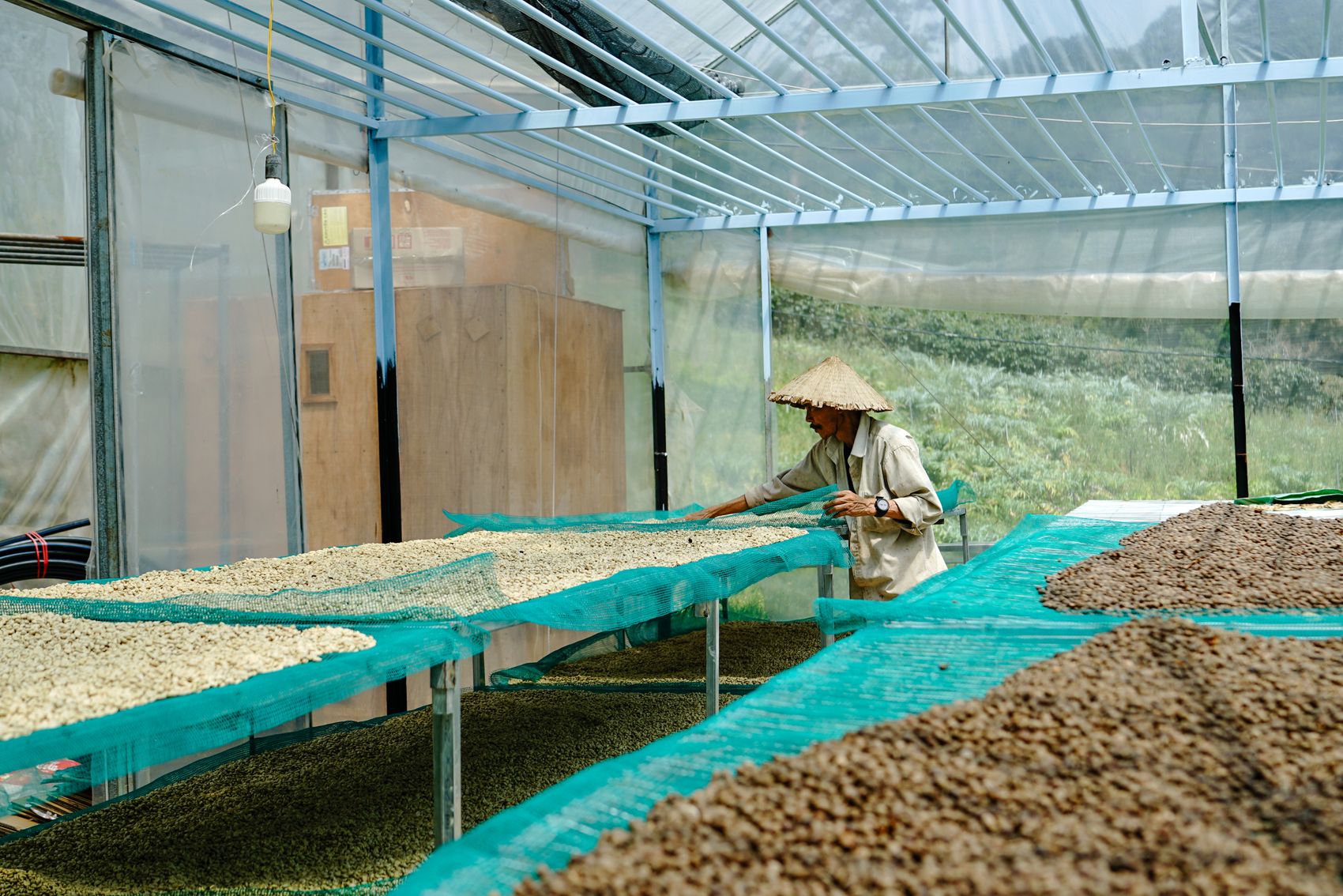
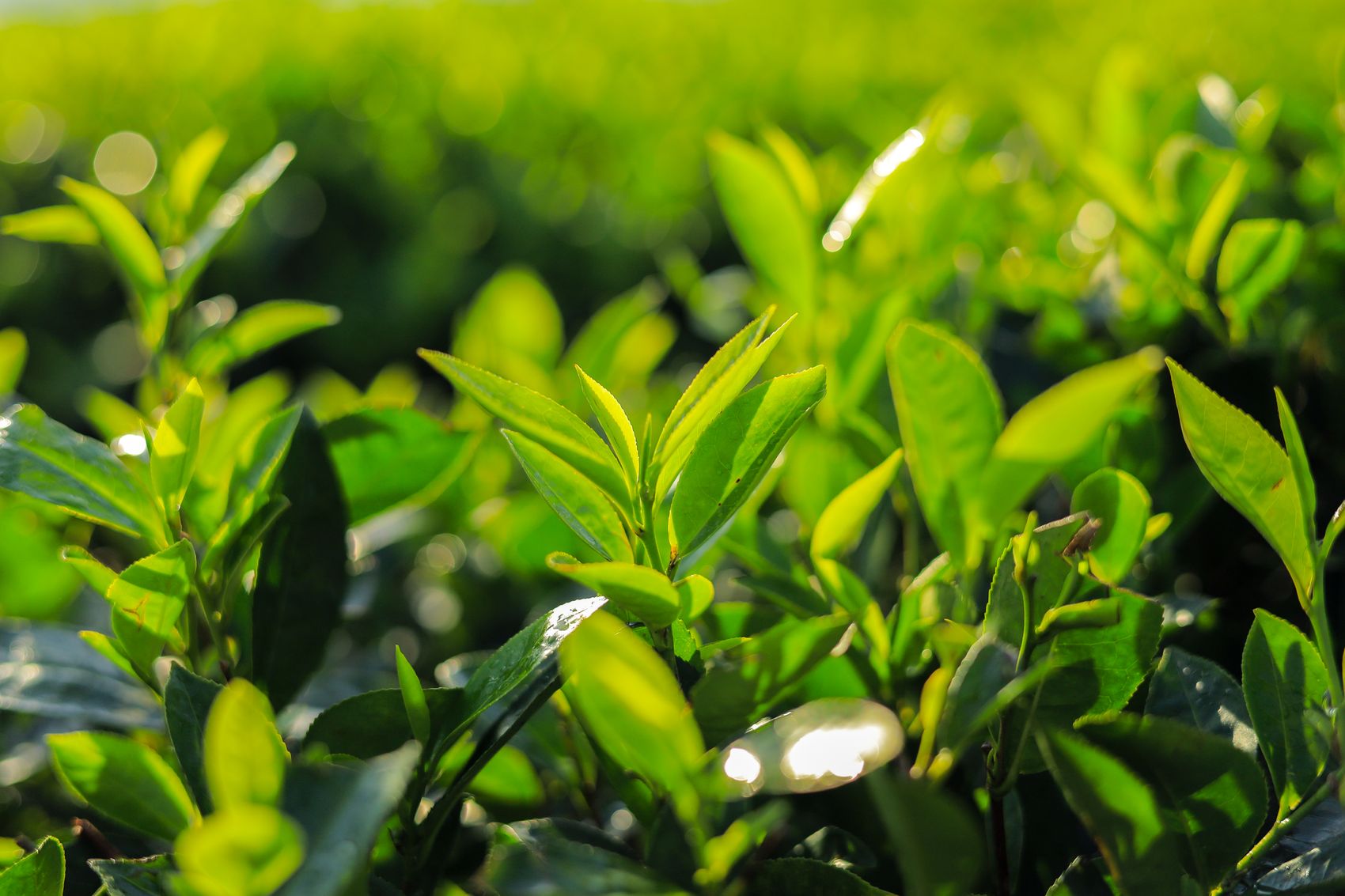
Ask for raw-material origin, processing method, particle size or milling specification, color reference, sensory profile, moisture, microbiology, contaminants, packaging format and shelf-life basis. Where a claim such as organic or pesticide-controlled is commercially important, request the specific documentation that supports it.
Run application testing
A matcha that tastes good in water may not perform under dairy or plant milk. Sample evaluation should reproduce the buyer's real recipe and dosage. For food manufacturing, thermal process and storage stability may matter more than ceremonial-style sensory descriptors.
Confirm scale after sample approval
Ask how production lots are standardized, how color variation is controlled and what happens if a production batch falls outside the agreed reference. The goal is to turn one good sample into a repeatable commercial program.