Where product begins.
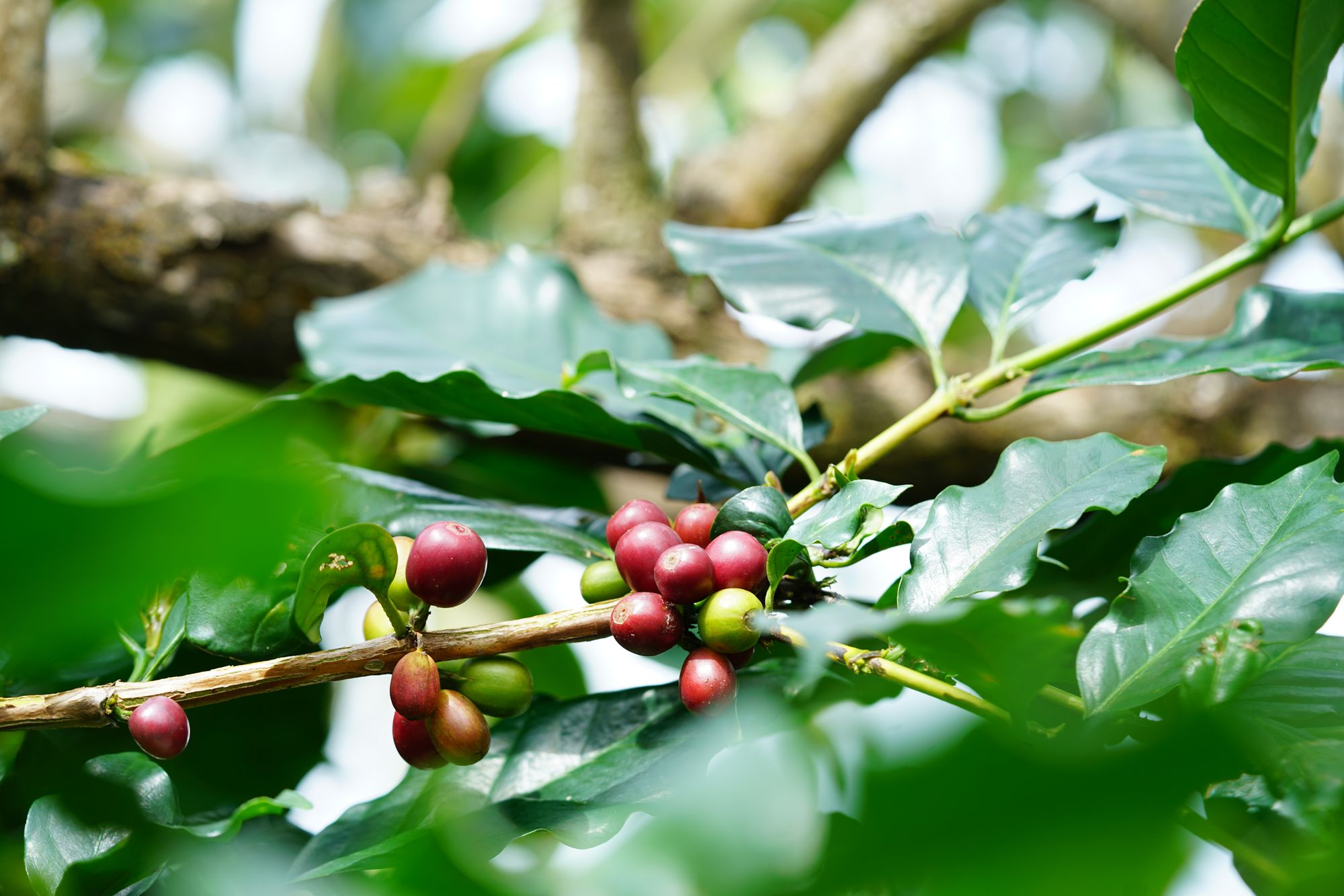
For coffee and tea, origin is not a decorative story. Elevation, climate, plant material, harvest and processing shape what a buyer can realistically source and how it may perform.

Six variables worth understanding before buying.
No single factor guarantees quality. Buyers should read origin together with processing, specification, sample evaluation and commercial requirements.
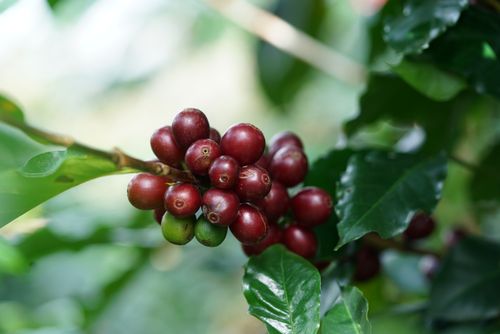
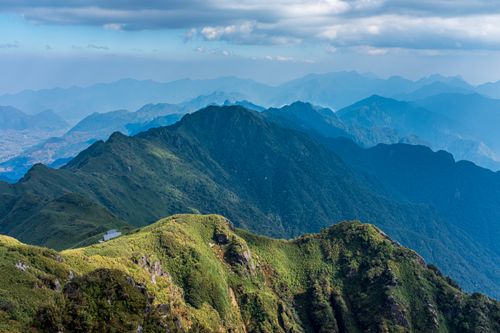
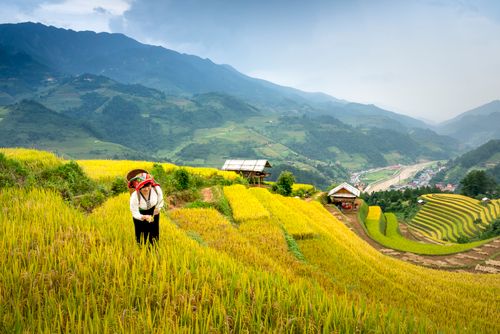
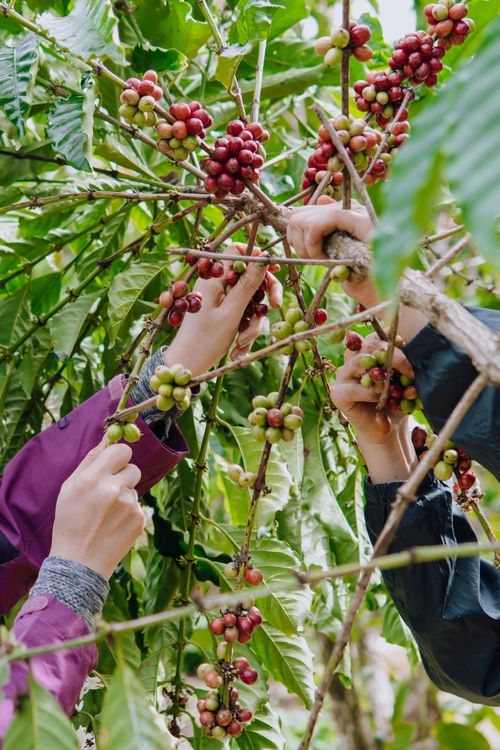
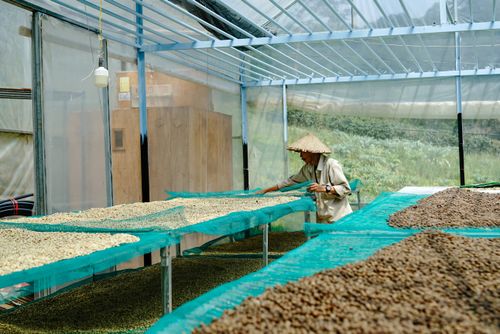
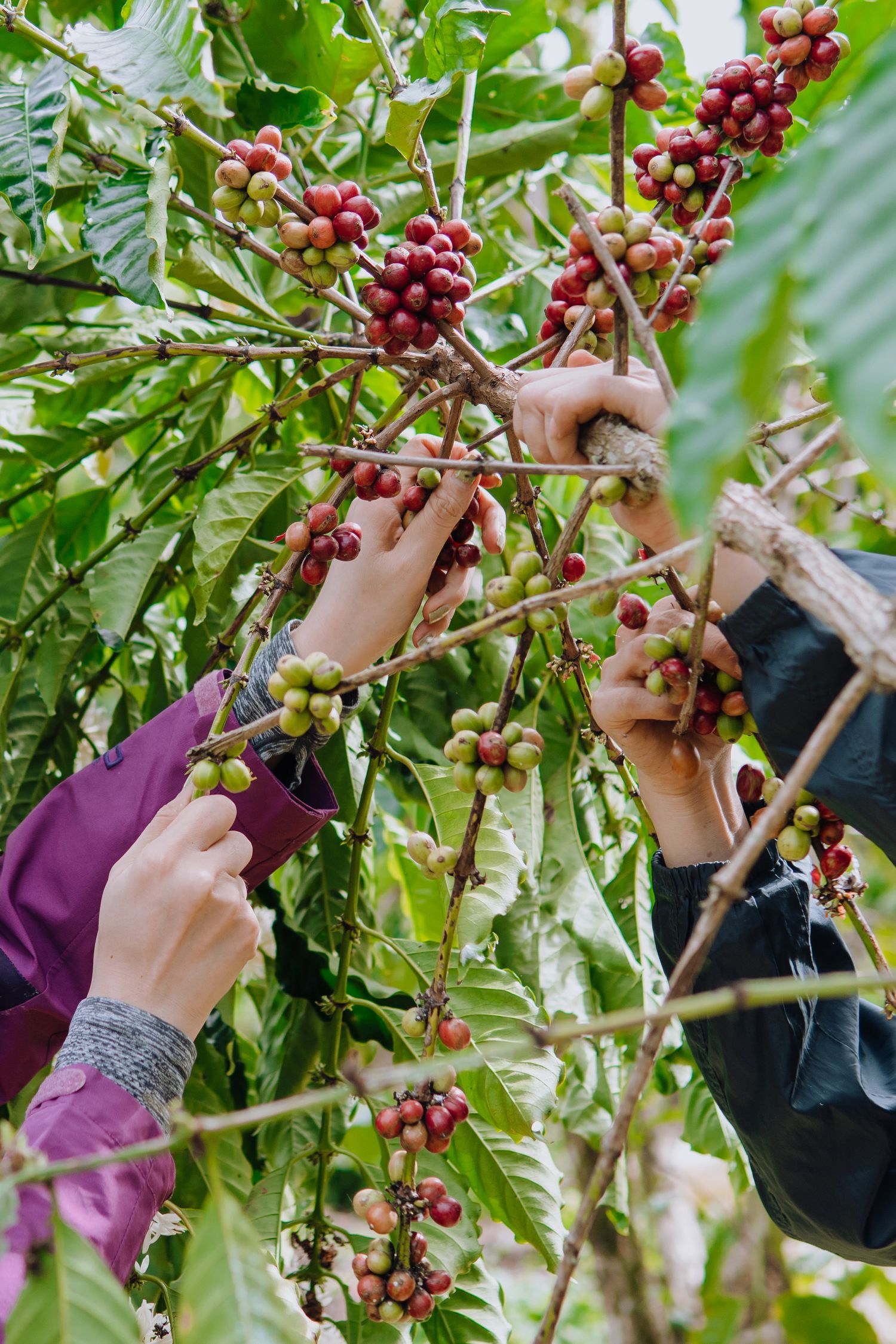
Robusta scale. Arabica elevation.
Vietnam is globally associated with Robusta production, while higher-elevation Arabica areas create a different sourcing conversation. Rather than treating the country as one uniform profile, buyers should specify the product and quality position they need.
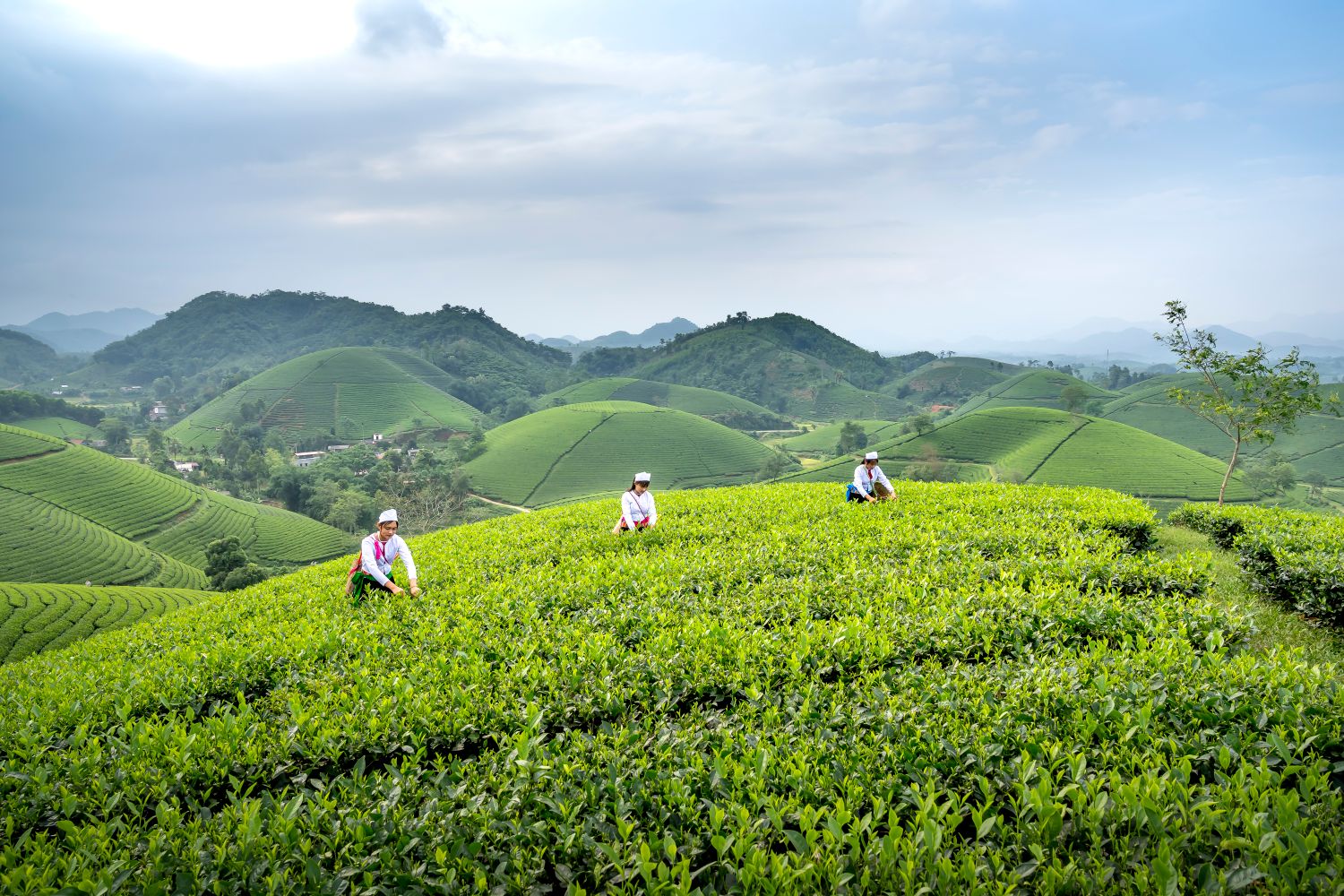
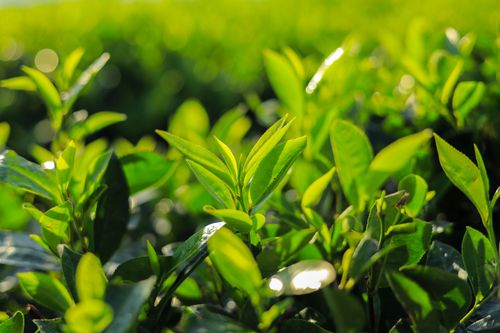
Tea-growing regions, evaluated through the final application.
For matcha buyers, origin is important but does not replace application testing. Powder color, taste, aroma, texture and behavior in the intended beverage or food product should remain central to evaluation.
Explore MatchaStorytelling only works when it connects to commercial facts.
A useful origin page should help buyers ask better questions: what is being supplied, where it comes from, how it is processed, how it is packed and what can be documented for the destination market.
Region
Where the material is sourced.
Crop
Product and season context.
Harvest
Selection and timing.
Process
How raw material is transformed.
Grade
Buyer criteria and specification.
Pack
Commercial presentation.
Verify
Documents and sample approval.