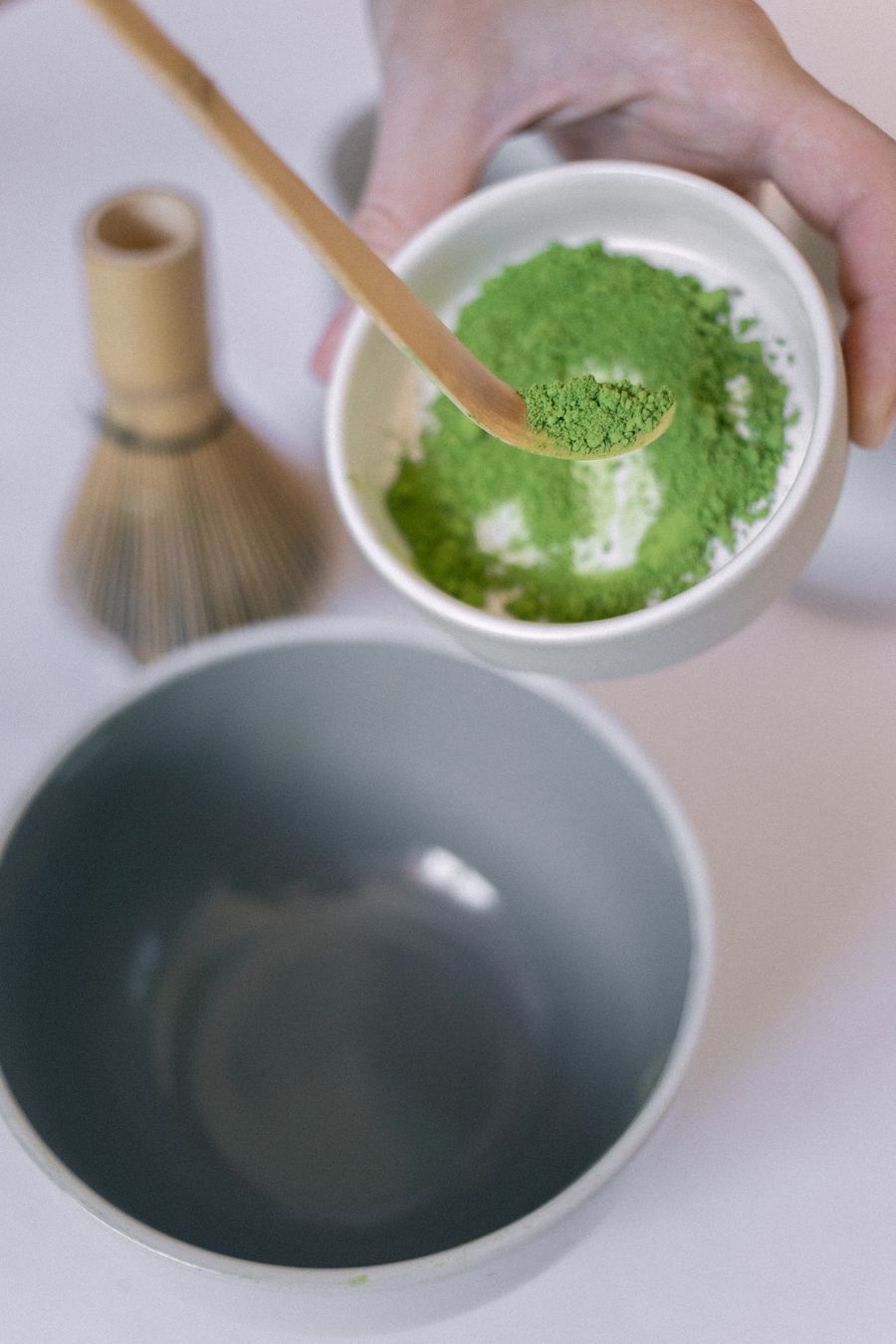
Drinking Application
Premium Matcha
For buyers prioritizing a smoother drinking experience, color and aroma. Final fit should be confirmed through sample evaluation.
Request sampleFor beverage brands, cafés, tea companies, distributors and manufacturers evaluating Vietnam matcha by use case, sensory target, packaging and commercial volume.

“Matcha” can mean very different commercial products. Instead of relying on grade names alone, define how the powder will be used, what sensory outcome is expected and what price position the finished product needs to support.


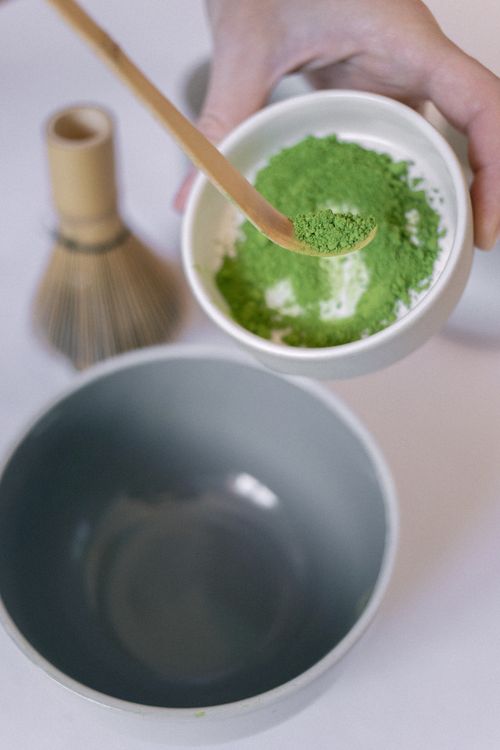
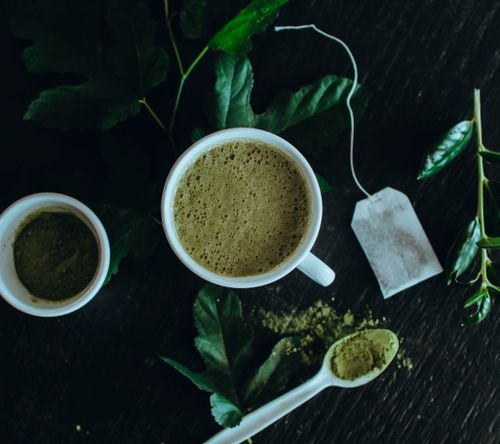

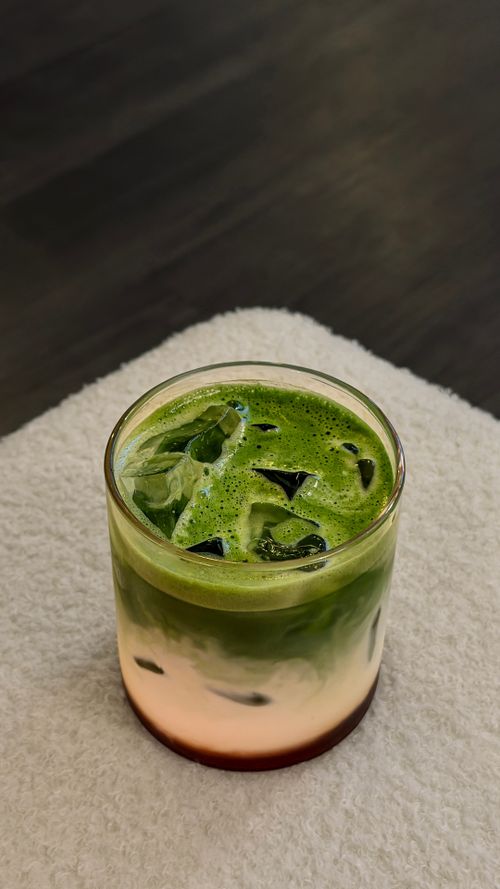
Names such as ceremonial, premium and culinary are useful conversation starters but are not universal standards. Buyers should evaluate actual product specifications and samples.
For buyers prioritizing a smoother drinking experience, color and aroma. Final fit should be confirmed through sample evaluation.
Request sample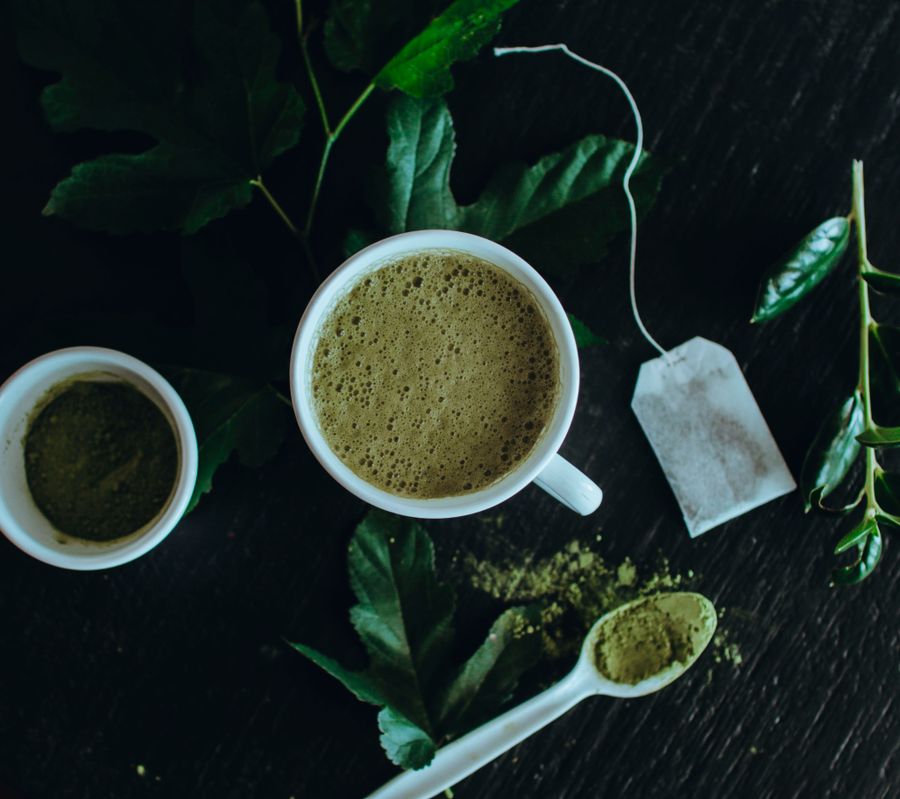
For lattes, cold drinks and beverage menus where color, milk compatibility, taste and dosage matter commercially.
Discuss requirement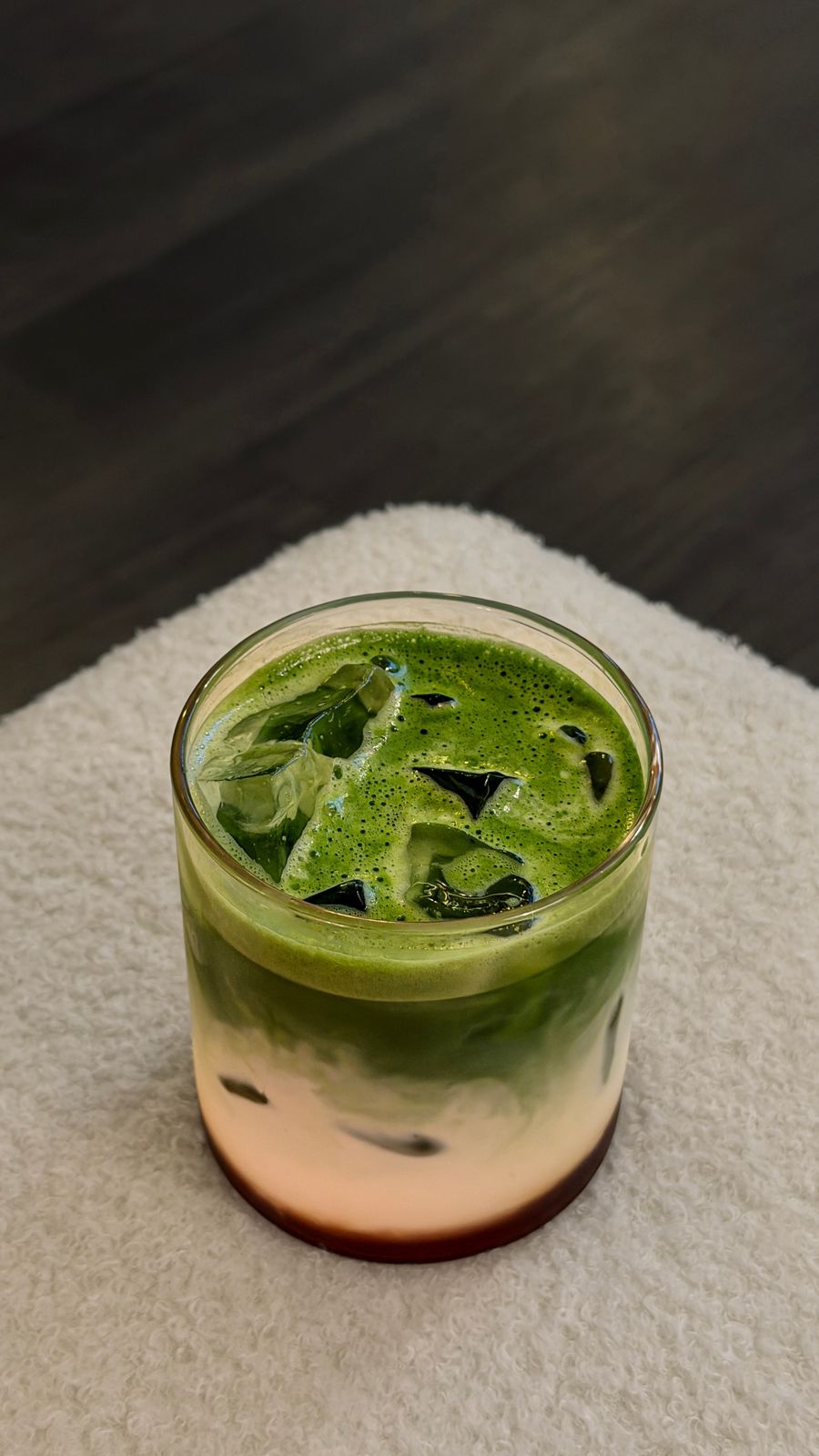
For bakery, desserts, confectionery, premixes and food applications where performance and cost-in-use are central.
Request quote
For importers, distributors and manufacturers requiring commercial pack formats and recurring supply discussions.
Start RFQDiscuss feasible finished formats, formula direction and production routes based on market and volume.
Explore OEMMove from brief to sample, packaging alignment, approval and production planning without treating every project as identical.
Build your program
Vietnam has established tea-growing regions and processing capability. For a matcha buyer, the key is not to assume equivalence with another origin, but to evaluate the actual powder against the target application, sensory expectation and commercial position.
Explore OriginsThe same powder may perform differently across straight drinking, milk beverages, bakery, ice cream, premixes and packaged drinks. Application is one of the first questions in a useful RFQ.
No. Grade terminology varies by seller and market. Buyers should evaluate actual product specifications, sensory characteristics, application performance and documentation rather than relying on the label alone.
Intended application, target quality position, monthly or annual volume, packaging, destination market, private-label needs and any required documents or testing criteria.
Yes. A sample request is most useful when it includes the end application and commercial context so the relevant product can be discussed.
No. Certifications must be verified against the exact supplier, product, facility, production lot and buyer requirement.